Is It Too Early to Plant Tomatoes in Delaware?
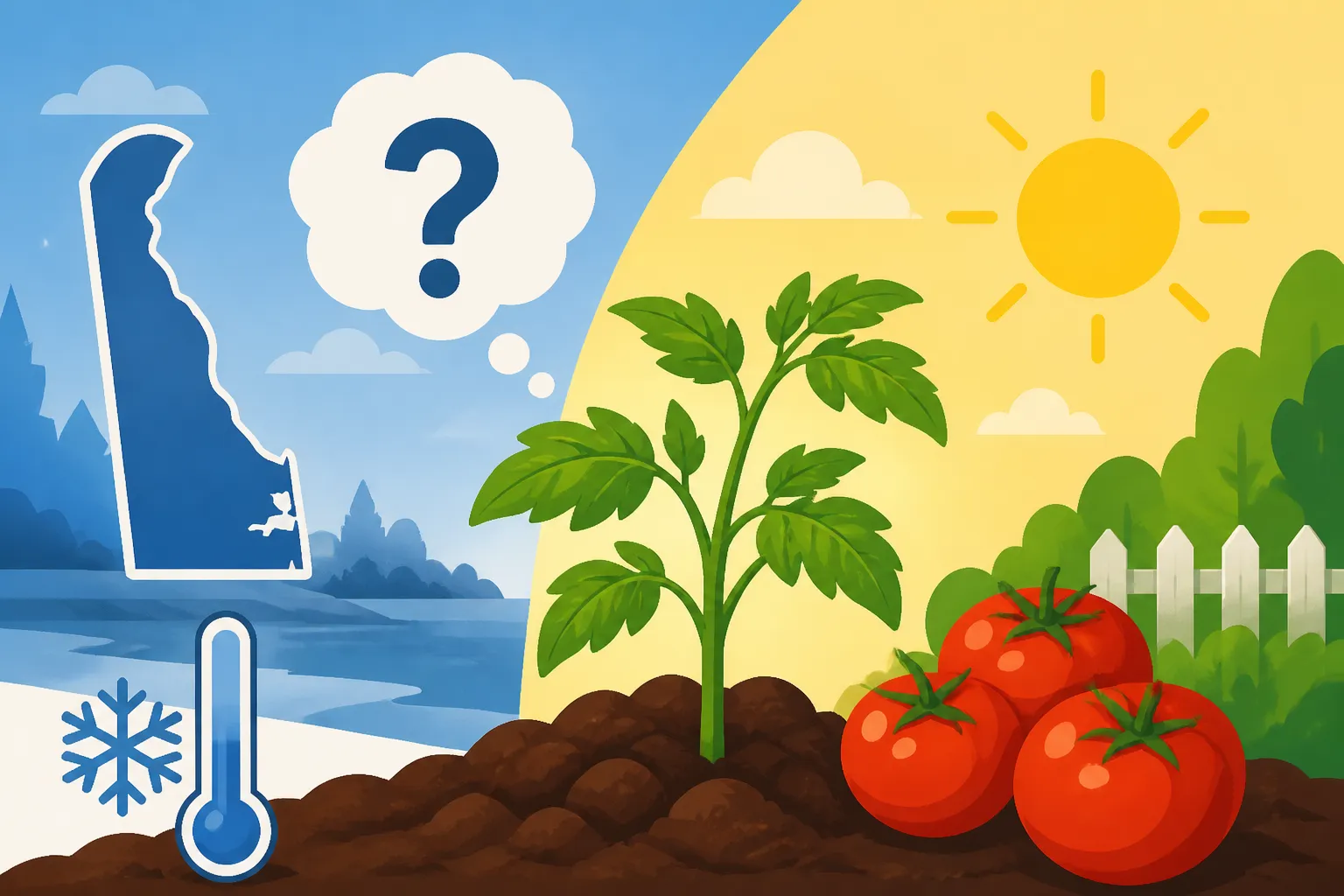
Tomatoes are tempting to plant as soon as spring feels warm, but Delaware can still have chilly nights and late frost after a sunny stretch. Planting too early can stall seedlings or damage them, even if the calendar seems reassuring. Use frost risk, soil warmth, the forecast, and your garden’s microclimate to decide when tomatoes are ready to go outdoors.
The short answer: wait for warm, settled conditions
For Delaware gardeners, a date on the calendar is only a starting point. Tomatoes are tender, warm-season plants. A late frost can kill them, and several cold nights can stress them even when temperatures stay above freezing. Cool soil can also slow root growth and make newly planted tomatoes struggle to get established.
Many gardeners use mid-May as a rough checkpoint for moving tomatoes outdoors, but that is not a guarantee that conditions are safe. A warm week can be followed by a cold snap, and the risk varies across Delaware and from year to year. Check the forecast for your location and look beyond the overnight low: a string of cool nights, strong wind, or prolonged rain can make transplanting a poor choice even without frost.
A safer decision combines several signs:
- The forecast shows no frost threat, with reasonably mild nights ahead.
- Garden soil has warmed rather than remaining cold and wet.
- Seedlings have been acclimated to outdoor conditions.
- Your planting spot is not an unusually cold pocket or exposed, windy location.
If one of those conditions is missing, waiting a few days is usually less risky than putting plants out early. Tomatoes that remain indoors in suitable light and containers can keep growing while you wait. The goal is not to plant on the earliest possible day; it is to give seedlings a good chance to root and resume growth.
For a broader look at the probabilities behind local frost timing, see Delaware Frost Dates and Growing Season Guide. Frost dates describe patterns, not promises. Why Spring Frost Still Strikes After Your Delaware Frost Date explains why a date that has passed does not remove the need to watch conditions.
What early planting can do to tomato seedlings
Tomatoes can sometimes survive a brief spell of cool weather, but survival is not the same as healthy growth. A seedling planted into cold conditions may sit nearly motionless while its roots adjust. That delay can leave it vulnerable to wind, wet soil, and further temperature swings.
Frost is the clearest danger. Tender leaves and stems can be badly damaged or killed when temperatures fall to freezing. But tomatoes can also suffer from temperatures well above freezing. Chilly nights may cause stress, slow growth, or contribute to blossom and fruit problems later, particularly when the plant is already weakened.
Cold soil adds another hurdle. Roots develop and take up water more effectively in warm soil. In cold, saturated ground, a young plant may struggle to establish itself. The top of the plant can look wilted or stalled even though the soil is damp; adding more water does not fix cold roots and can keep the root zone wetter for longer.
| Condition | What it can mean for tomatoes | Better choice |
|---|---|---|
| Frost is forecast | Leaves and stems may be severely damaged or killed | Keep plants inside or protect them with a reliable cover |
| Nights remain chilly | Growth may slow and seedlings may become stressed | Wait for a more settled stretch of weather |
| Soil is cold and wet | Roots may establish slowly, with added risk from excess moisture | Give the bed time to warm and drain |
| Days are sunny but nights are cold | A warm afternoon can create a false sense of readiness | Base the decision on overnight conditions too |
| The forecast is mild and soil is warming | Transplants have a better chance of rooting and growing | Acclimate seedlings, then plant carefully |
Planting early does not always mean losing the crop. A healthy plant may recover once conditions improve, especially if cold exposure was brief and it was protected. But repeated cold stress can set it back, and a severely frost-damaged seedling may not recover. Replacing an injured plant later can be simpler than trying to nurse it through weeks of poor growth.
Tomatoes also need a transition from indoor conditions to outdoor sun and wind. Seedlings raised inside often have tender leaves and stems. Moving them straight into strong sun can scorch leaves, while wind can bend or break stems before they have adapted. That risk applies even when frost is no longer a concern.
For practical timing guidance on warm-season crops, see Delaware Tender Crop Timing: Waiting for Frost Risk to Clear and When Warm-Season Seedlings Can Move Outside in Delaware. Those decisions involve more than a single temperature reading: the plant’s preparation and the weather trend matter too.
How to decide whether your garden is ready
Check conditions close to your planting day rather than relying on a date you selected weeks earlier. Forecasts can change, and your yard may be colder or warmer than a nearby weather station. A simple check of the forecast, soil, and planting location can help you make a sound decision.
Check overnight temperatures and the forecast trend
Look at the expected lows for several nights, not just the next one. A mild night followed by a sharp dip may still be a poor setup for young tomatoes. Pay attention to frost advisories or other local weather alerts, and recheck the forecast before planting if conditions are unsettled.
Wind and rain matter as well. Strong wind can dry seedlings and damage stems. Heavy rain can leave a bed waterlogged, especially where drainage is slow. If the forecast calls for a run of cold, wet, or windy weather, waiting for a calmer interval can help seedlings establish with less stress.
Weather forecasts are useful but cannot tell you exactly what will happen in every yard. A low area, shaded bed, or exposed garden may experience different conditions from a nearby open site. How Delaware Weather Forecasts Help You Pick Early Planting Dates offers more context on using a forecast to plan outdoor work.
Check the soil, not just the air
A sunny afternoon can warm the air while the soil remains cold. Feel the soil several inches below the surface; if it is cold and damp, give it more time. A soil thermometer can provide a more consistent reading than touch. Tomatoes generally establish better once the soil is comfortably warm, around 60°F or warmer.
Avoid working or planting in soil that is saturated. Squeezing a handful should not produce water or a dense, sticky lump. In heavy soil, wait until it is workable rather than digging and planting while wet. Disturbing wet soil can compact it and make drainage problems worse.
Soil warmth is one reason a bed that gets full sun can be ready before a shaded plot. Dark, well-drained soil may warm more readily than a wet, compacted bed. Raised beds can also warm sooner, though they may dry faster and need closer moisture checks after planting.
For more on how soil warmth affects planting, see Why Warm Spring Soil Accelerates Delaware Seed Germination. That article focuses on seed germination, but the same basic point applies: temperature below the surface can lag behind the air.
Account for your garden’s microclimate
Conditions differ within a neighborhood, and even within one yard. A south-facing bed next to a wall may warm earlier than a low spot that collects cold air. A sheltered urban garden can behave differently from an open, windy plot. Coastal influence, shade, buildings, slopes, and nearby pavement can all affect local temperatures.
Do not assume that the warmest-looking spot is automatically best. A wall can radiate heat, but the space beside it may also be dry or poorly ventilated. Choose a location with enough sun and airflow for tomatoes, and keep a close eye on the forecast if the bed sits in a cold pocket.
Delaware Microclimates: Adjusting Dates for Cold Pockets and Cities covers how local site differences can shift planting decisions. If you garden in a particularly exposed or low-lying spot, a later planting may be prudent even when nearby gardens are already planted.
Prepare seedlings before planting outdoors
A tomato seedling is more likely to cope with outdoor conditions if it is sturdy, healthy, and gradually acclimated. Preparation does not make a plant frost-proof, but it reduces the shock of moving from an indoor setting into sun, wind, and changing temperatures.
Acclimate plants gradually
Hardening off is the gradual process of introducing indoor-grown seedlings to outdoor conditions. Start by placing them outside for a short time in a sheltered, shaded spot. Increase their outdoor exposure over several days, gradually adding more light and a little more breeze. Bring them indoors if temperatures are too cold or weather turns harsh.
Avoid leaving seedlings in direct midday sun the first time they go outside. Their leaves may scorch before they have adjusted. Do not set them out and forget them: containers can dry quickly, and a gust can tip over a small pot. If the forecast threatens frost, keep the plants protected indoors rather than relying on their gradual acclimation.
A sturdy seedling is generally a better transplant than a tall, weak one. If plants are crowded, root-bound, or leaning toward a window, improve their light and give them enough room before planting day. Water them as needed, but do not keep containers constantly soggy.
See Acclimating Delaware Seedlings Outdoors Before Transplanting for a more detailed process. For tomato-specific transplant considerations, Moving Tomato Seedlings into Delaware Soil Without Frost Bite is also relevant.
Choose the right moment and handle plants gently
Plant on a day when the soil is workable and conditions are not extreme. A cloudy, calm period can be easier on transplants than a hot, windy afternoon. Water seedlings before moving them if their potting mix is dry, so the root ball holds together. Handle the root ball rather than pulling on the stem.
Set the plant into the bed at an appropriate depth for its size and remove leaves that would sit below the soil surface. Firm soil gently around the root ball and water it in. Avoid compacting the soil by pressing hard or walking around the planting hole while the bed is wet.
Give plants enough space for their mature size and airflow. Crowding can make care and harvesting harder and can keep foliage damp after rain. A well-sited plant with room to grow is easier to manage than one crammed into a bed simply because the first warm weekend arrived.
Keep a protection plan ready
Even after tomatoes are planted, a sudden cold forecast can require action. Have a way to protect young plants before you need it. A breathable garden fabric or an appropriately supported cover can help shield plants from cold air. Cover plants before temperatures drop, and make sure the material does not crush the foliage.
A cover is not a guarantee against severe cold. Plastic that touches leaves can transfer cold and cause damage, and a cover can trap heat on a sunny day. Remove or vent protection when conditions warm, and follow the product instructions for any covering material. If a frost threat is serious and moving a container-grown tomato indoors is practical, that may be the safest option.
For broader guidance on protecting warm-season plants from late cold, see Planting Tomatoes and Peppers: Avoiding Late Delaware Chills. The best protection is still to avoid planting too early when a cold spell is approaching.
If you have already planted tomatoes
First, check the actual plant and the conditions rather than assuming it has been lost. A chilly night above freezing may slow growth without causing visible injury. After possible frost, wait until the plant has had time to show what tissue is still healthy. Damaged leaves may become limp, dark, or water-soaked; stems that remain firm and green may still support recovery.
Do not rush to prune every discolored leaf immediately. Give the plant a little time to reveal the extent of damage. Remove dead or broken material once it is clear, using clean tools. If the growing tip and most of the stem are badly damaged, a replacement seedling may be the more practical option.
If the soil is cold and wet, avoid adding extra water unless the root zone has actually dried. Keep covers available for the next cold night, and hold off on fertilizer while the plant is stressed. Fertilizer cannot make a cold root system grow faster, and applying it without a need can create other problems.
For a potted tomato, move the container to a sheltered location when cold weather threatens. For a plant in the ground, use a supported cover that reaches the soil and remove it or open it once the weather warms. Continue checking the forecast, since one protected night does not rule out another cold spell.
If your seedlings have not been planted yet, keep them in a bright location and avoid letting them become severely root-bound while you wait. A short delay outdoors is often manageable; a long delay may mean moving the plant into a larger pot. Transplanting later into warm soil is usually preferable to putting a stressed seedling into cold ground just to meet a target date.
Frequently Asked Questions
Is mid-May always safe for planting tomatoes in Delaware?
No. Mid-May can be a useful rough checkpoint, but it is not a guarantee. Local frost risk, overnight temperatures, soil warmth, and the forecast all matter. Check conditions near your garden before planting.
Can I plant tomatoes if there is no frost in the forecast?
Possibly, but frost is not the only concern. Repeated chilly nights, cold soil, heavy rain, and strong wind can stress young plants. Look for a stretch of reasonably mild, settled conditions rather than relying on one forecast low.
Should I cover tomatoes if a cold night is forecast?
A suitable cover can offer some protection, but it cannot guarantee safety in severe cold. Support the cover so it does not press on foliage, and follow the product instructions. If the plants are still in containers, bringing them into a protected space may be a better option.
Is it better to plant tomatoes early or wait?
Waiting is generally the safer choice when conditions are uncertain. Tomatoes planted in warm soil after seedlings are acclimated can establish more reliably than plants exposed to cold, wet conditions. A few extra days indoors is usually less risky than a late-cold setback.
Disclaimer
This article is for general informational purposes only and does not constitute professional advice. Laws, prices and regulations vary by location and change over time. Consult a qualified professional for guidance on your specific situation. Delaware Gardening Guide is not a government agency and is not affiliated with any university extension, state department of agriculture or other government agency.